Face Mask (Wet)
High-performance packaging systems engineered for liquid and viscous products. Backed by decades of industry experience and in-house engineering, our servo-driven volumetric piston fillers feature custom-designed shut-off nozzles that guarantee zero-drip precision and consistent grammage. From free-flowing beverages to thick pastes like ketchup and mayonnaise, these systems are built with high-grade stainless steel and Clean-In-Place (CIP) readiness to meet the strictest food safety standards.
Packaging Notes
A wet face mask is really two products in one pack: a folded nonwoven sheet and its serum, and that pairing is what makes the packaging job difficult. The sheet fills most of the internal volume, so the liquid has to be dosed precisely around an inserted solid without wetting the seal area — a task for controlled piston filling and a wide-mouth sachet format with generous seal margins. Serum that reaches the sealing band leaves a weak seal, and that only shows up weeks later as a leaking pack inside the carton. High-barrier film keeps the serum from drying out over shelf life; the sheet has to be as saturated when the consumer opens it as it was when it left the line. A face mask filling machine works with volumetric piston dosing. A cylinder draws a measured volume from the product tank and pushes it out through a shut-off nozzle; stroke length sets the dose, so the setting repeats pack after pack whatever the level in the tank. Cosmetic serums run from thin, almost water-like fluids to light gels, and a piston carries that whole viscosity band at the same accuracy. The nozzle matters here as much as the piston: it cuts the flow cleanly at the end of the stroke, so no drip or string reaches the seal jaws. Nozzles enter the open pack mouth, lay the dose onto the sheet and retract before sealing. Product contact parts are built for quick clean-down between formulations and fragrances. The four-side-seal sachet is the standard format for a face mask sachet packaging machine — wide enough for the folded sheet, with seal margins broad enough to stay safe next to a liquid dose. A pillow bag on VFFS covers taller packs and thicker sheets. Where the serum is sold on its own, as a booster or a refill dose without a sheet, the stick pack format applies and the same piston dosing runs on a narrower lane pitch. Dose range is 10-20 ml. Output here is a lane question rather than a cycle question: pack width decides how many lanes fit across the web, and lanes multiply the cycle. An MSM1200 on a narrow pack runs 12 lanes and reaches up to 960 packs per minute; the same machine on a wide pack runs 6 lanes and up to 480 packs per minute. Sheet mask sachets sit at the wide end of that range, so output should be planned from the lane count your pack width allows. Mentpack runs this product on five machines: HSM with 1-3 lanes for development batches and short runs, ISM400 with 2-5 lanes, ISM600 with 3-7, MSM800 with 4-10, and MSM1200 with 6-12 lanes for high-volume lines. Machine choice follows pack width, target output and the floor space available. Buyers are cosmetic contract manufacturers and private label producers, sheet mask brands, dermocosmetic and pharmacy lines, and hotel, travel and promotional sample packers looking for a face mask packaging machine in single-dose presentation.
Compatible Machines
Sachet Machines

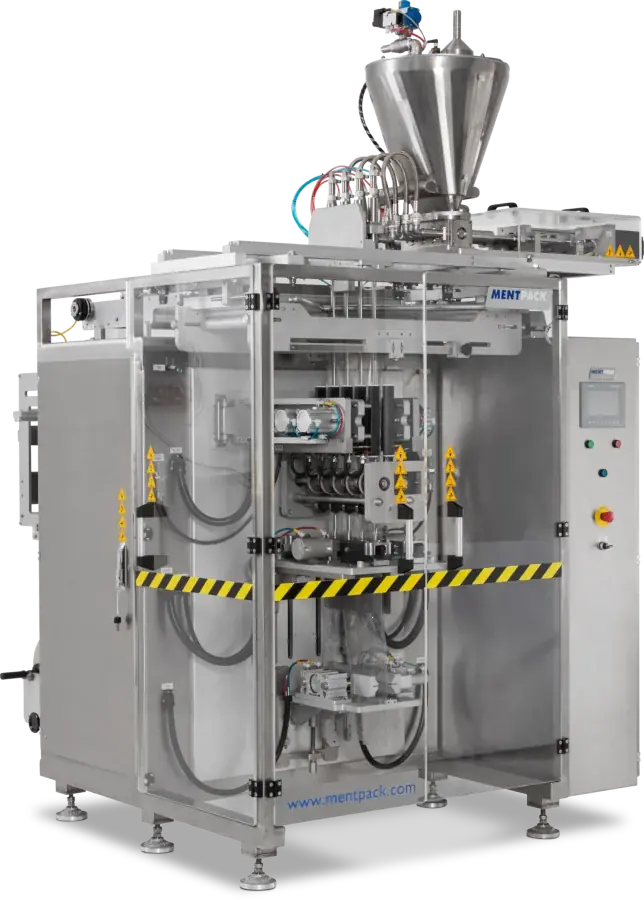
MSM1200
High Speed Intermittent Sachet Machine
// Elevate your capabilities with the MSM1200 High Speed Intermitten...
ISM600
Intermittent Sachet Machine
// Unleash unparalleled precision and flexibility in liquid sachet p...

ISM400
Entry Level Intermittent Sachet Machine
// The Mentpack ISM400 represents the intelligent entry point into p...
HSM
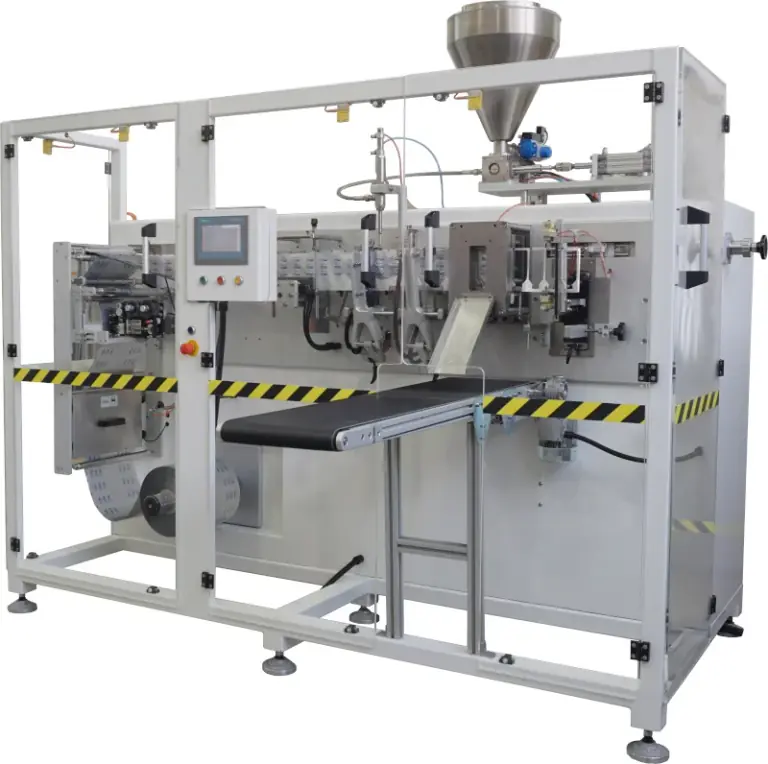
Horizontal Sachet Machine
// The Mentpack HSM Horizontal Sachet Packaging Machine is meticulou...